
Hard Wax Oils in Woodworking: A Modern Finish with Traditional Roots
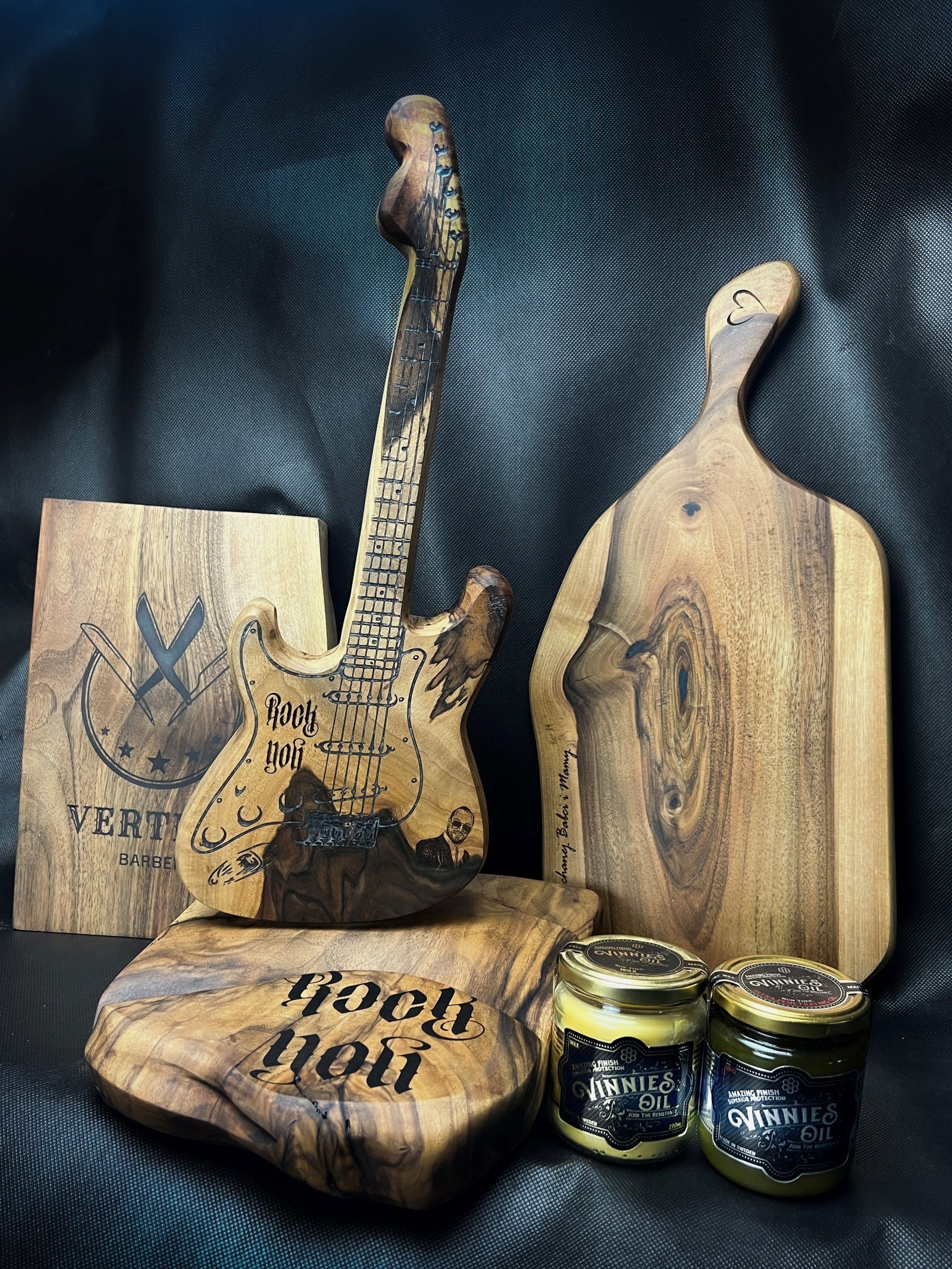
Hard Wax Oils in Woodworking: A Modern Finish with Traditional Roots
Hard Wax Oils in Woodworking: A Modern Finish with Traditional Roots
For generations, woodworkers have searched for the ideal finish—one that protects timber, enhances its natural beauty, and remains practical to maintain over time. Hard wax oils have emerged as one of the most popular finishing systems in contemporary woodworking, finding favour among furniture makers, cabinetmakers, woodturners, and hobbyists alike. Combining the penetrating qualities of natural oils with the protective properties of waxes, hard wax oils offer a unique balance between durability, appearance, and ease of repair that few other finishes can match.
What Are Hard Wax Oils?
Hard wax oils are a blend of drying oils and hard waxes designed to penetrate the wood surface while simultaneously creating a microscopic protective layer. Unlike traditional film finishes such as polyurethane or lacquer, which sit primarily on top of the timber, hard wax oils become integrated with the wood fibres themselves.
The oil component nourishes and stabilises the timber, while the wax component provides resistance to moisture, dirt, and wear. The result is a finish that retains the tactile feel of real wood rather than creating a plastic-like coating.
Why Woodworkers Choose Hard Wax Oils
One of the greatest advantages of hard wax oils is their ability to enhance the natural character of timber. Grain patterns become richer, colours deepen slightly, and the surface maintains a warm, organic feel that many woodworkers consider superior to synthetic coatings.
Another major benefit is ease of maintenance. Unlike film-forming finishes that often require complete sanding and refinishing when damaged, hard wax oils can typically be repaired locally. Minor scratches, scuffs, and worn areas can often be lightly sanded and re-coated without affecting the surrounding finish.
The finish is also highly breathable. Wood naturally expands and contracts with seasonal humidity changes, and hard wax oils allow this movement while still providing excellent protection.
Additional advantages include:
-
Natural-looking appearance
-
Pleasant tactile feel
-
Easy spot repairs
-
Low build-up on the surface
-
Good moisture resistance
-
Simple maintenance schedules
-
Suitable for furniture, cabinetry, tabletops, and woodturning projects
The Limitations of Hard Wax Oils
No finish is perfect, and hard wax oils do have drawbacks that should be understood before selecting them for a project.
While durable, they generally do not provide the same level of chemical resistance as high-performance lacquers, conversion varnishes, or catalysed polyurethane finishes. Surfaces exposed to aggressive cleaners, standing water, or heavy commercial use may require more frequent maintenance.
Application can also be less forgiving than many beginners expect. Applying too much product is one of the most common mistakes. Excess finish left on the surface can lead to extended curing times, patchy sheen, or a sticky finish that may take weeks to fully harden.
Additionally, some formulations can slightly amber or darken lighter timbers, particularly maple, ash, or birch. While many woodworkers appreciate this warming effect, it may not suit projects where maintaining a pale appearance is important.
Potential disadvantages include:
-
Lower chemical resistance than some synthetic finishes
-
Requires thin, careful application
-
Can darken certain timber species
-
Longer curing times compared to spray finishes
-
Periodic maintenance coats may be required
Understanding the Different Types
Not all hard wax oils are created equal. Manufacturers formulate products differently depending on their intended use.
Furniture and Cabinet Oils
These products are designed for general-purpose woodworking. They typically offer a balance between durability and ease of application and are suitable for cabinets, shelves, furniture, and decorative items.
Flooring Formulations
Floor-specific hard wax oils contain higher levels of durable waxes and additives to withstand foot traffic. These products provide greater abrasion resistance and are often chosen for dining tables and heavily used surfaces.
Rapid-Cure Formulations
Some modern hard wax oils incorporate advanced drying technologies that significantly reduce curing times. These are popular in professional workshops where production speed is important.
High-Solid Systems
High-solid formulations contain a greater concentration of active ingredients and less solvent. They often provide superior coverage and may require fewer coats, although application technique becomes even more critical.
Natural and Plant-Based Variants
These products emphasise renewable ingredients and lower environmental impact. While performance can be excellent, drying times and durability may vary between formulations.
How to Apply Hard Wax Oil Correctly
Successful application depends far more on technique than on the product itself.
Step 1: Surface Preparation
Begin by sanding the timber thoroughly. Most projects benefit from sanding to between 180 and 240 grit. Sanding significantly finer can reduce oil penetration, while coarser sanding may leave visible scratches.
Remove all dust using a vacuum and tack cloth before application.
Step 2: Apply a Thin Coat
Less is more.
Using a lint-free cloth, white non-abrasive pad, brush, or applicator, work a very thin coat into the surface. The goal is to wet the timber evenly, not to build a layer on top.
A common mistake is treating hard wax oil like paint or varnish. Excess product provides no additional protection and often causes problems.
Step 3: Remove Excess
After allowing the finish to penetrate for the recommended period, wipe away any excess material. The surface should appear evenly coated but not wet.
Any finish left sitting on the surface will eventually become sticky or uneven.
Step 4: Allow to Dry
Drying times vary depending on temperature, humidity, ventilation, and product formulation. Adequate airflow is essential for proper curing.
Step 5: Apply Additional Coats
Most projects require two thin coats. Some high-wear applications may benefit from a third coat.
Light de-nibbing between coats using a fine abrasive pad can improve smoothness if required.
Hard Wax Oil vs Other Common Finishes
Compared with Polyurethane
Polyurethane generally provides superior water and chemical resistance. However, it creates a more noticeable film and can feel less natural. Repairs are typically more difficult and often require refinishing larger sections.
Compared with Lacquer
Lacquer offers excellent clarity, fast production times, and professional spray-applied results. However, it requires specialised equipment and damaged areas can be difficult to repair seamlessly.
Compared with Traditional Oil Finishes
Pure oil finishes penetrate deeply and create a beautiful appearance but often provide limited protection. Hard wax oils add significantly greater wear and moisture resistance while retaining a similar natural look.
Compared with Wax Alone
Traditional wax finishes provide attractive sheen but relatively little protection. Hard wax oils combine wax benefits with the penetrating protection of drying oils, resulting in a far more durable finish.
Best Applications for Hard Wax Oils
Hard wax oils excel where the natural beauty and feel of timber are priorities.
Ideal applications include:
-
Fine furniture
-
Dining tables
-
Cabinets
-
Shelving
-
Timber benchtops
-
Wooden bowls and decorative turnings
-
Interior joinery
-
Hardwood flooring
They are particularly popular among woodturners because they highlight grain beautifully while preserving the tactile qualities of handcrafted work.
Vinnie's Oil Range at Arborean Arborean stocks the complete Vinnie's Oil range — a premium Australian hard wax oil system trusted by woodturners and furniture makers. The range includes the Ultra penetrating oil, Eternal Seal topcoat, Soft Wax, Hard Wax, and the convenient 2K System bundle. Browse the Vinnie's Oil Range ->
The Verdict
Hard wax oils occupy a unique position in the woodworking world. They may not offer the ultimate chemical resistance of industrial coatings, nor the ultra-high gloss of sprayed lacquers, but they provide something many modern finishes cannot: protection without sacrificing the natural character of wood.
For woodworkers who value authenticity, repairability, and a finish that feels as good as it looks, hard wax oils remain one of the most versatile and rewarding finishing options available. Applied correctly, they deliver a durable, attractive surface that ages gracefully and can be maintained for decades rather than replaced when wear inevitably occurs.
More from the Journal
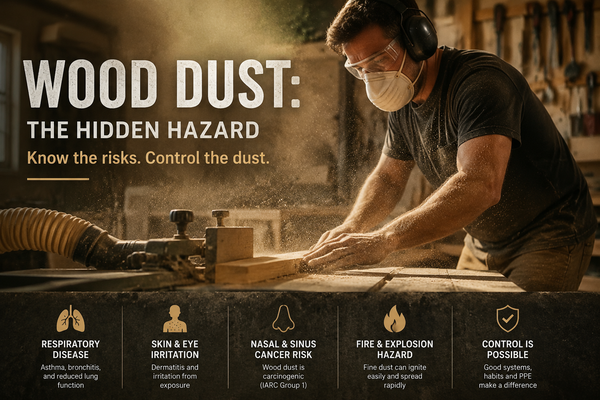
The Dust You Can't Afford to Breathe
Wood dust is classed as carcinogenic by the IARC, yet many workshops still treat it as a nuisance...
Read article → acrylic
Making Your First Hand-Turned Wooden or Acrylic Pen
A hand-turned pen is one of the most rewarding projects for new woodturners, combining creativity...
Read article →
Hard Wax Oils in Woodworking: A Modern Finish with Traditional Roots
Hard wax oils have become one of the most popular finishes in modern woodworking, offering a uniq...
Read article → acrylic blanks
Timber vs Acrylic Pen Blanks: How to Choose the Right Material for Your Next Pen
Timber or acrylic? Both make stunning pens — but they turn, finish, and look very differently. He...
Read article →